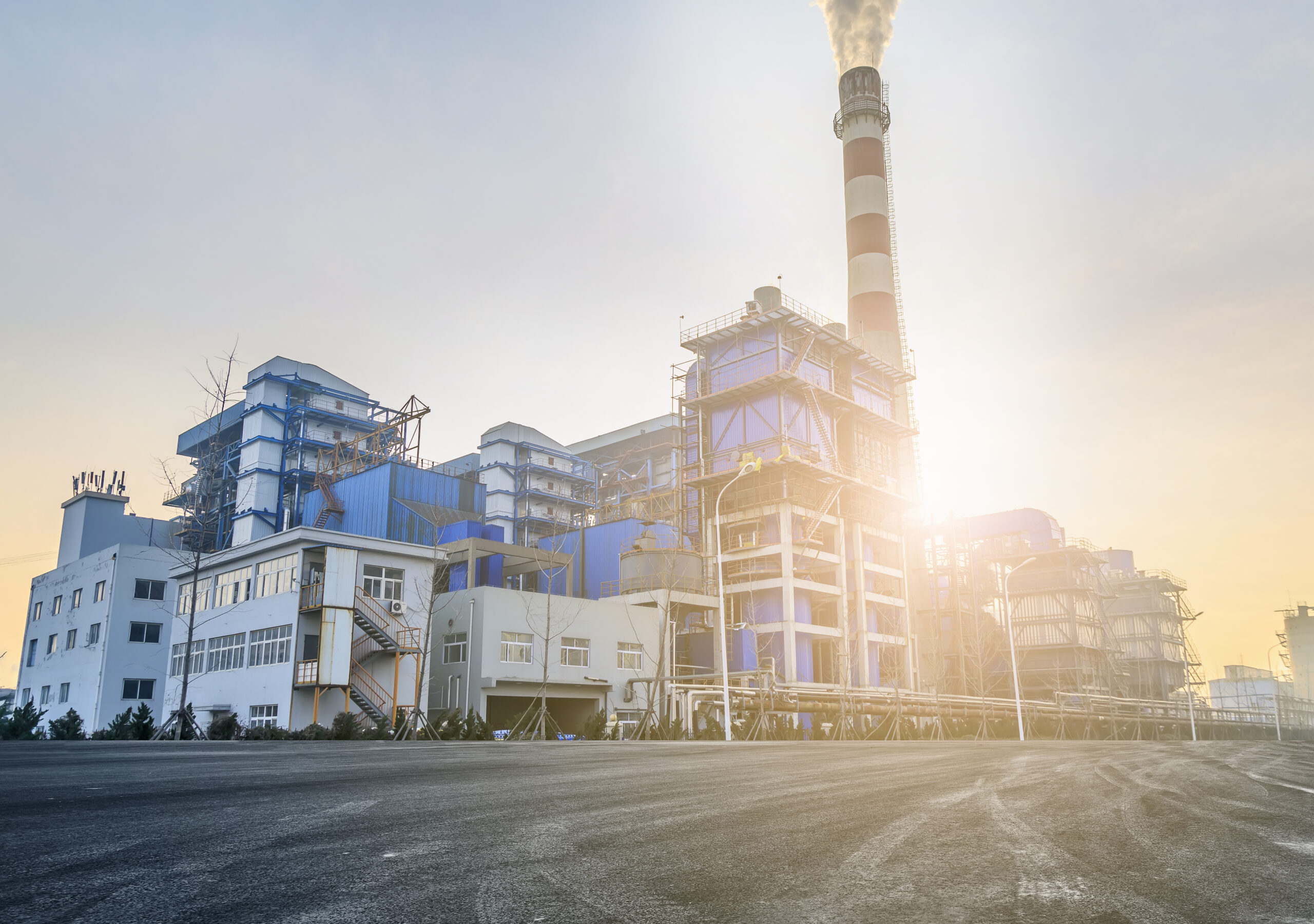
The way India thinks about industrial land is shifting—and fast. With 2025 well underway, policies like Make in India, PM Gati Shakti, and Production Linked Incentives (PLI) are reshaping how industries scale and where they set up operations. But here’s the thing: it’s not just about metros or mega parks anymore. Tier-2 zones like Panipat are stepping into the spotlight—and one name keeps showing up for all the right reasons: Vedya Industrial Park.
If you’re exploring property in Panipat, especially for manufacturing, warehousing, or industrial investment, Vedya isn’t just another plotted park. It’s a signal that the next wave of industrial growth is already underway—and it’s happening just outside Delhi.
Let’s break down what’s driving this momentum, what Vedya offers, and why it matters right now.
1. India’s Industrial Real Estate Is No Longer Just About Big Cities
Until a few years ago, most industrial land activity in India circled around NCR, Mumbai, or Bengaluru. Highways were clogged. Prices were bloated. And approvals dragged.
But the landscape is changing. In 2025, industrial activity is decentralizing. The National Infrastructure Pipeline, new Dedicated Freight Corridors, and multi-modal logistics hubs are shifting the focus to well-connected satellite cities. Places like Panipat, strategically located between Delhi and Chandigarh, are now absorbing serious interest from investors and industries.
And for good reason: land is more affordable, approvals are faster, and connectivity is catching up rapidly.
2. Vedya Industrial Park: The New Face of Property in Panipat
Here’s where Vedya enters the picture.
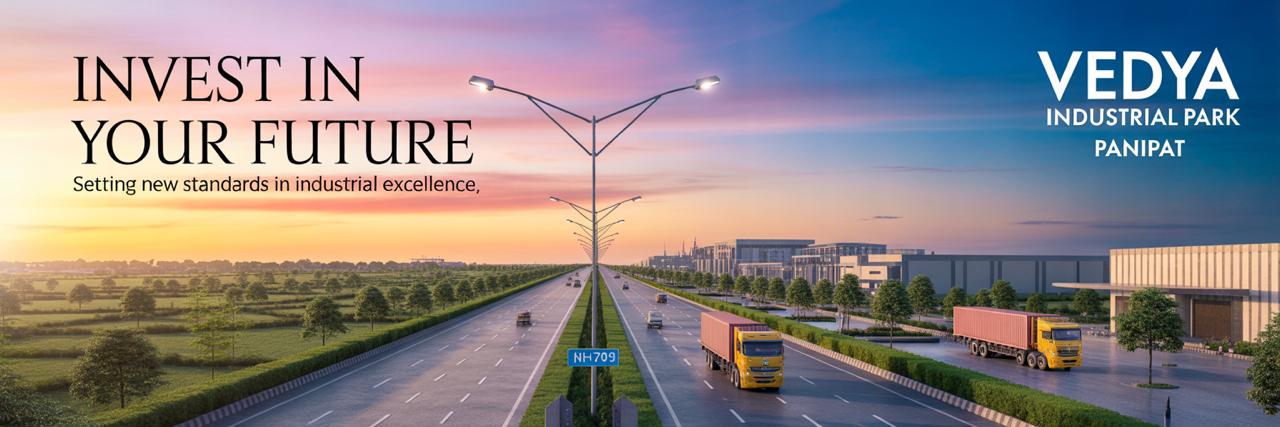
Located on the Rohtak–Panipat National Highway, Vedya Industrial Park is positioned to become a key industrial and logistics hub in North India. Spread over 18.5 acres, the park offers plotted development for industrial use—everything from manufacturing units to warehousing setups.
What sets Vedya apart is not just its location, but how it’s been planned and developed. It’s not a patch of barren land promising future infrastructure. It’s an actual, ready-to-build site with wide roads, drainage, electricity, and clear land titles.
More importantly, it’s RERA registered—a critical trust factor that most small industrial parks still overlook.
For anyone eyeing property in Panipat, this means more than just square footage. It means verified ownership, legal protection, and higher resale potential—especially as the area gets absorbed into larger logistics and industrial corridors.
3. Why Panipat, Why Now?
Panipat has long been known for textiles and oil refining. But in 2025, it’s fast becoming a logistics, warehousing, and manufacturing alternative to expensive zones like Manesar and Kundli.
With direct links to NH-44, KMP Expressway, and upcoming Delhi-Katra Expressway, industries are realizing they don’t have to be inside NCR to operate like they are. And when land in Panipat is going for a fraction of the cost—without compromising on infrastructure—more investors are paying attention.
That’s exactly where Vedya fits in: affordable, approved industrial plots in a rising corridor that’s getting national attention.
4. Inside Vedya Industrial Park: Infrastructure That’s Ready on Day One
Most industrial parks promise infrastructure. Vedya already has it.
The park is built on a wide grid of 16 to 18-meter internal roads—not dirt tracks, but proper concrete roads ready for heavy vehicles. You get separate entry and exit gates, full boundary wall fencing, and 24/7 security checkpoints to control movement and access.
Power and water? Already planned and operational. Vedya offers dedicated electricity lines, sewage systems, stormwater drainage, and a modern STP (Sewage Treatment Plant). No temporary solutions here—everything is built to last and scaled for future expansion.
There’s also street lighting, plotted green spaces, and service corridors built into the layout, which means whether you’re setting up a factory, warehouse, or logistics unit—you’re not building around problems. You’re building on a working base.
5. Strategic Connectivity: A Park That’s Close to Everything That Matters
If you’ve ever tried moving goods through Delhi, you know how painful traffic, tolls, and delays can be.
Vedya’s edge is location. It sits right on the Rohtak–Panipat National Highway, offering direct access to NH-44 (Grand Trunk Road) within 15 minutes. From there, it’s an easy connection to Delhi, Punjab, Haryana’s major industrial towns, and even J&K.
Need expressway connectivity? You’re about 50 minutes from the Eastern and Western Peripheral Expressways, giving you a fast bypass route around NCR.
Even better—Vedya is just a few kilometers from the upcoming Delhi–Katra Expressway, a game-changer for anyone shipping goods north.
Plus, it’s already part of a thriving ecosystem. Major players like Adani Wilmar, Panipat Thermal Plant, and Indian Oil Corporation (IOCL) are operating in the same industrial belt. So you’re not buying land in isolation—you’re entering a live business zone.
6. Who Is Buying at Vedya?
This isn’t just about big corporations.
Small and mid-sized businesses (SMBs) are finding Vedya attractive because the plot sizes are flexible. Whether you’re setting up a 500 sq yd warehouse or a 2,000 sq yd manufacturing unit, the layout works.
Some investors are buying to build-to-suit and lease out to logistics operators and e-commerce partners. Others are owner-occupiers, relocating from cramped industrial zones in Delhi or Sonipat for cleaner, more scalable land with better road access.
Because the park is RERA registered, financial institutions are more open to funding these purchases—something that’s rare in smaller industrial belts.
7. How Does Vedya Compare on Pricing?
Here’s the reality: industrial land prices in Panipat are rising, but they’re still significantly more affordable than similar-quality plots in Kundli, Manesar, or Faridabad.
At Vedya, plots currently range from ₹1.75 Cr for ~600 sq ft to over ₹4 Cr for 1,400+ sq yd units, depending on location within the park and infrastructure access.
For what you get—ready roads, drainage, approvals, and visibility—the price-to-infrastructure ratio is among the best in the state.
8. Risks You Should Know—And How Vedya Minimizes Them
Let’s be honest—buying industrial land in India can be messy. Title issues, approvals that don’t exist, land that’s stuck in disputes, or agents overpromising and vanishing after the deal. It happens.
That’s why Vedya Industrial Park’s RERA registration is a huge deal. It offers clear legal protection, verified project documents, and traceability of ownership. You know what you’re buying, and more importantly, you know who you’re buying it from.
The developer has already secured essential permissions—change of land use (CLU), environment NOCs, and approved layout plans—which are mandatory but often missing in smaller parks.
There’s also a functional STP, compliant zoning, and infrastructure that’s already been built—not just drawn in brochures. That dramatically lowers your setup time and risk.
If you’re evaluating property in Panipat, this level of compliance and readiness puts Vedya in a different league.
9. Real Buyer FAQs—Based on Actual Google Searches
We pulled questions people are actively typing into Google right now. Here’s what they’re asking—and what you should know before investing.
What is the current price of land at Vedya Industrial Park?
Recent listings range from ₹1.75 Cr to ₹4.4 Cr, depending on plot size and road access. Smaller plots (~600 sq ft) are limited, while larger industrial units can go up to 1,500 sq yd or more.
Is Vedya Industrial Park RERA-approved?
Yes. It’s officially registered under RERA-PKL-1706-2025, making it a safer bet than most unregulated projects in the industrial land space.
Can MSMEs or startups buy land here?
Absolutely. Vedya has plots designed for micro, small, and medium enterprises, including warehousing, light manufacturing, and assembly-based businesses.
What facilities are already in place?
Internal roads, power lines, water supply, sewage systems, street lighting, green zones, and security infrastructure are all completed. It’s ready for immediate use.
Is it better to invest here than Kundli or Manesar?
Kundli and Manesar are overcrowded, expensive, and struggling with traffic and space. Vedya offers cleaner access, lower rates, and better scalability. It’s early-stage, which also means higher growth potential.
What types of industries are already present nearby?
Textiles, chemicals, PVC products, auto components, and logistics are active in and around the Panipat belt. It’s a versatile zone with long-term relevance.
What approvals should I ask for before buying?
Ask for:
- RERA certificate
- CLU (Change of Land Use)
- Environment NOC
- Approved layout plan
- Sale deed and mutation history
Vedya’s team is known to provide all of this upfront—no chasing.
10. Final Take: Should You Invest in Property in Panipat?
Here’s the bottom line:
If you want to buy industrial land that actually works—where your setup won’t be stalled by paperwork, where trucks can enter without scraping a 5-foot pothole, where power and water aren’t a question mark—then Vedya Industrial Park deserves a serious look.
It’s not just another patch of land on the outskirts. It’s a structured, compliant, and well-connected park that gives your business a chance to scale, while also offering solid long-term investment potential.
And if you’re exploring property in Panipat, this is one of the rare projects where infrastructure, transparency, and pricing all actually align.
No hype. Just a project that does what it says.